Custom WordPress Development
Custom Features That Make Marketplaces Work
Your theme got you moving. We build the custom logic that makes the model work—booking engines, payment splits, AI matching, verification systems. Scoped for your theme, users, revenue model, and handoff.
Describe the feature gap
Tell me what your current WordPress build cannot do and I'll help frame the custom logic, likely implementation path, and the risk to avoid.
Include the audience, business model, or biggest constraint and I'll help narrow the smartest next move.
Active Features
Booking Engine
Real-time availability & instant booking
Payment Splits
Stripe Connect with auto-payouts
User Verification
ID verification & background checks
Smart Matching
AI-powered provider matching
Current Scope
4
Workflows Mapped
QA
Checklist
Booking Engine
Real-time availability & instant booking
Availability Calendar
December 2024
Time Slots
Live Activity
Flow Signals
Integrations
Feature Categories
Revenue, trust, workflows, scale
Years Specialized
WordPress marketplace dev
Sprint Cadence
Scoped milestones and demos
Client-Owned Code
Documented handoff
The Marketplace Reality
Why Growing Marketplaces Often Need Custom Development
Marketplaces are not like e-commerce (add to cart, checkout, done). They are infinitely more complex—and themes can only take you so far.
Every Market Behaves Differently
B2B equipment rental is not the same as local services or professional consultants. Your pricing model, verification needs, and matching logic are unique to your industry. Themes cannot predict these nuances.
- Industry-specific pricing rules
- Custom verification workflows
- Unique trust requirements
Supply + Demand = Complexity
Unlike e-commerce (you control inventory), marketplaces coordinate two sides. Custom matching logic, availability systems, and dynamic pricing determine success or failure.
- Two-sided coordination
- Real-time availability
- Smart matching algorithms
Your Competitive Edge IS Custom Features
Competitors use the same themes. Your booking engine logic = differentiation. Your matching algorithm = conversion rates. Your automation = operational efficiency.
- Unique booking flows
- Proprietary matching
- Workflow automation
Themes Start, Custom Logic Scales
Themes provide listings, basic search, and payments. Custom features provide your pricing rules, workflows, integrations, and operational logic.
- Custom pricing logic
- Business-specific workflows
- Strategic integrations
The Bottom Line: Themes Give You Speed. Custom Features Give You Leverage.
As marketplace workflows mature, custom development often becomes the right next layer. Not because themes are bad—they are useful foundations. But because the logic that shapes trust, matching, pricing, and operations needs to fit the actual business model.
Themes We Extend
We evaluate each theme's hooks, limitations, and extension points before recommending the safest custom path.


Feature Categories
We Build the Missing Marketplace Logic
From booking engines to AI matching, payment orchestration to verification systems, we scope the custom layer your theme cannot responsibly cover on its own.
Scoped around your flow
Booking Engines
Custom availability calendars, dynamic pricing rules, instant vs request booking, deposit handling, and cancellation logic.
- Equipment rental booking
- Appointment scheduling
- Event booking systems
- Resource availability
Designed for clean handoff
Payment Orchestra
Multi-gateway routing, split payments, escrow, milestone releases, and subscription billing.
- Commission splits
- Platform fees
- Vendor payouts
- Escrow systems
Measured against fit signals
AI-Powered Matching
Smart vendor recommendations, predictive search, behavioral algorithms, and NLP query understanding.
- Service provider matching
- Equipment recommendations
- Skill-based routing
- Contextual suggestions
Human review where needed
Verification Systems
Multi-step vetting workflows, document verification, background check integration, and trust scoring.
- Professional credentials
- Insurance verification
- Background checks
- Trust algorithms
Manual steps mapped
Custom Workflows
Multi-step approval chains, automated notifications, status-based actions, and conditional logic.
- Vendor onboarding
- Listing approval
- Dispute resolution
- Status automation
Search behavior scoped
Advanced Search
Faceted navigation, geo-location, custom taxonomies, and instant results with Elasticsearch.
- Location-based search
- Category filters
- Instant suggestions
- 40+ custom filters
Real-time insights
Analytics Dashboards
Custom reporting, revenue analytics, vendor performance tracking, and user behavior insights.
- GMV tracking
- Conversion funnels
- Provider rankings
- KPI dashboards
Ops handoff ready
Integration Hub
Connect the APIs your marketplace depends on: CRM sync, email/SMS automation, accounting systems, and shipping providers.
- HubSpot/Salesforce sync
- QuickBooks integration
- Twilio notifications
- Mailchimp campaigns
PWA-ready planning
Mobile Optimization
Progressive web apps, native wrappers, push notifications, and offline capabilities.
- iOS/Android apps
- Real-time alerts
- Offline mode
- App store deployment
Margin logic scoped
Dynamic Pricing
Demand-based pricing, time-of-day rates, seasonal adjustments, and surge pricing algorithms.
- Peak hour rates
- Last-minute discounts
- Volume pricing
- Smart bundling
Admin workflow scoped
Multi-Vendor Systems
Vendor dashboards, inventory management, performance metrics, and automated payouts.
- Shop management
- Earnings tracking
- Listing analytics
- Bulk operations
Compliance-ready
Custom User Roles
Role-based permissions, custom capabilities, workflow access control, and hierarchies.
- Admin/manager roles
- Department access
- Permission levels
- Action logging
INTEGRATION EXPERTISE
Technologies We Integrate
Payment providers, CRM systems, communication tools, analytics platforms, and development frameworks. We evaluate APIs, limitations, data ownership, and maintenance before connecting them to your platform.

Stripe
Payment

PayPal
Payment

Square
Payment

Stripe Connect
Payment

Google Pay
Payment

Apple Wallet
Payment

Twilio
Communication

SendGrid
Communication

Mailchimp
Communication

Slack
Communication

Intercom
Communication

Communication

HubSpot
CRM

Salesforce
CRM

Airtable
CRM

Google Analytics
Analytics

Google Tag Manager
Analytics

Mixpanel
Analytics

Reserve with Google
Development

OpenAI
Development

Google Maps
Development
LiveKit
Development

Zapier
Development

WooCommerce
Development

Checkr
Development

REST API
Development

Cloudflare
Infrastructure

Redis
Infrastructure

QuickBooks
Accounting

Xero
Accounting
IMPLEMENTATION PATTERNS
Custom Feature Examples
Representative feature patterns for WordPress marketplaces. Use these to see what can be scoped, adapted, and documented for your own platform.


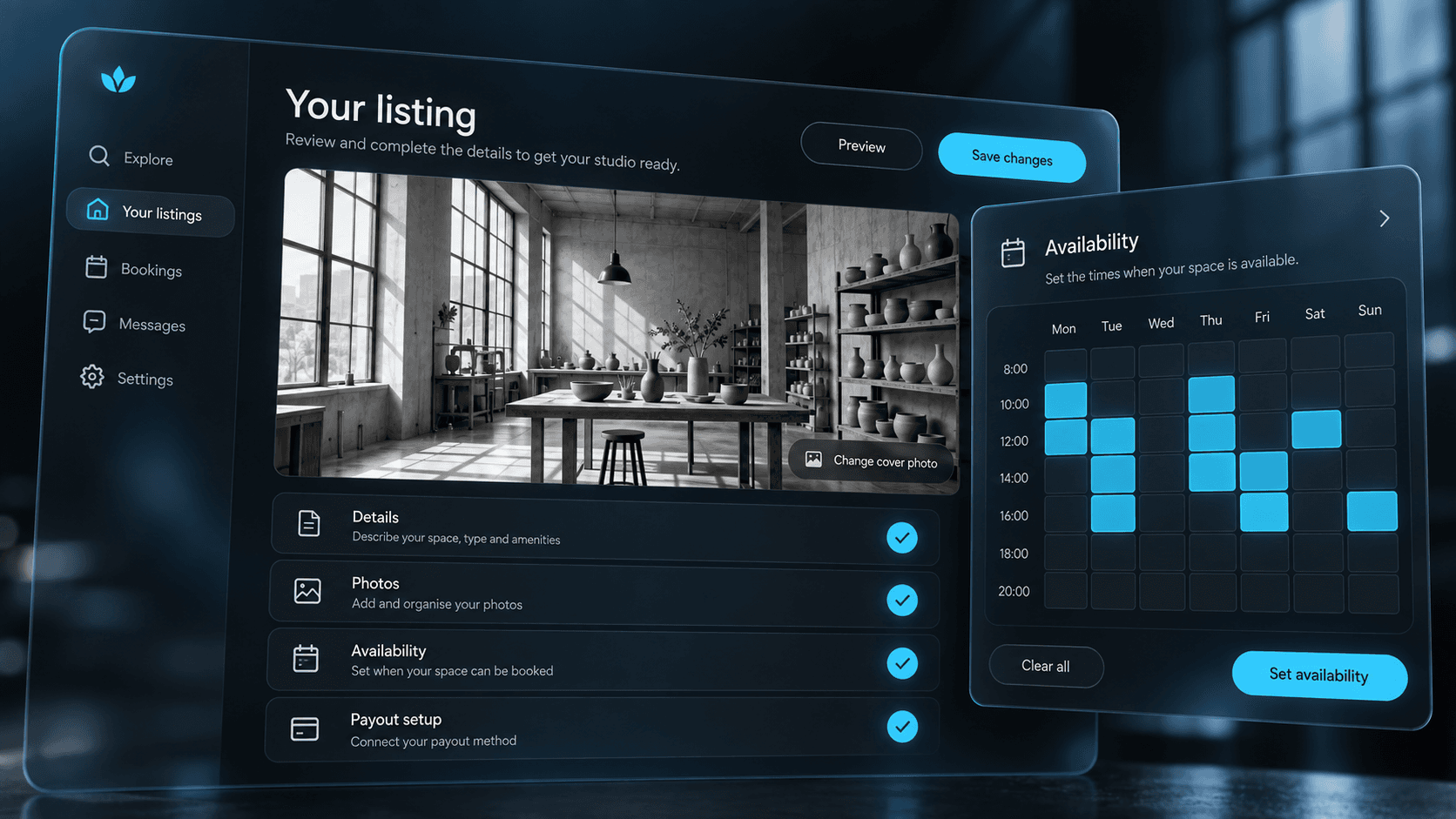

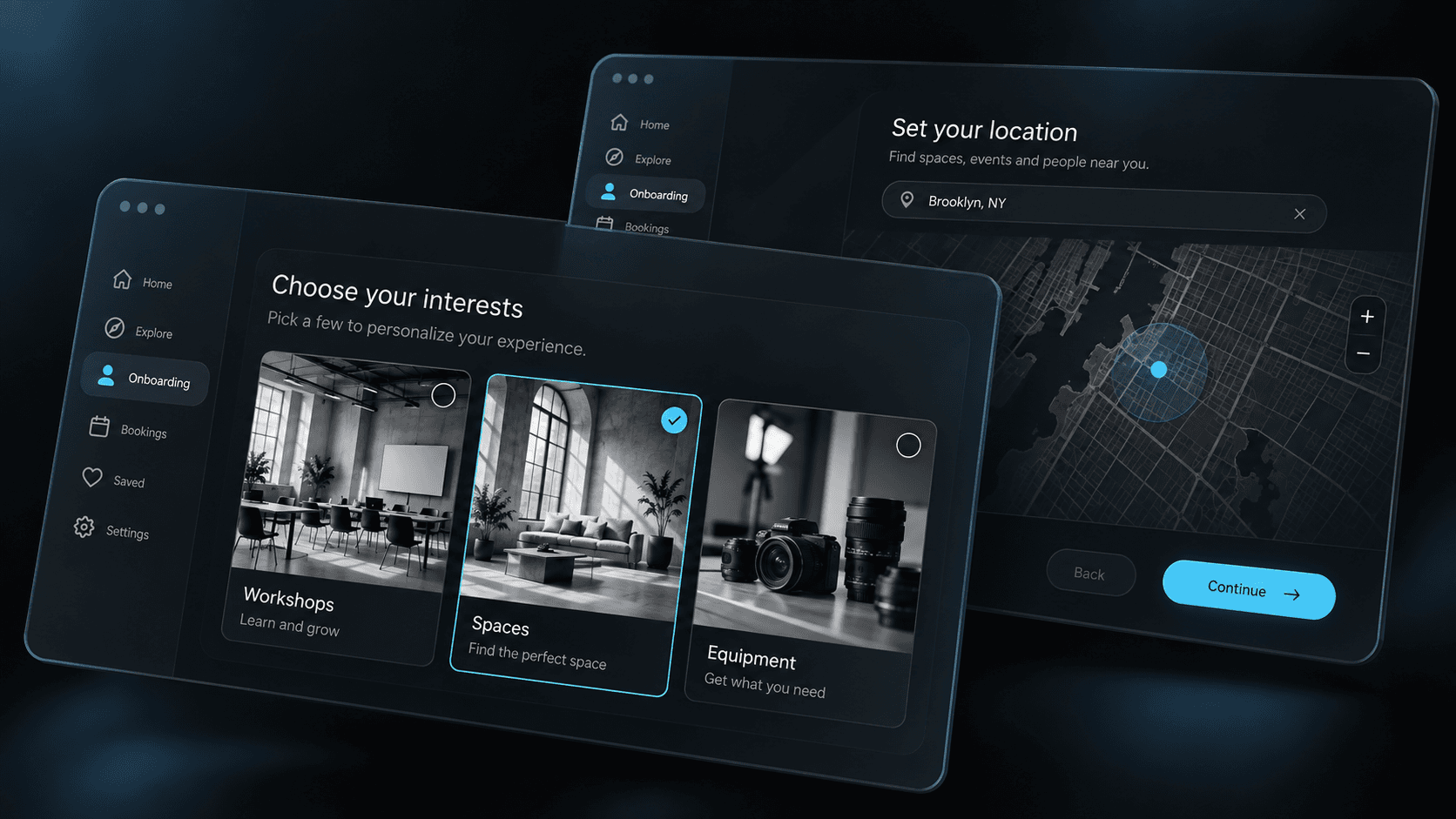
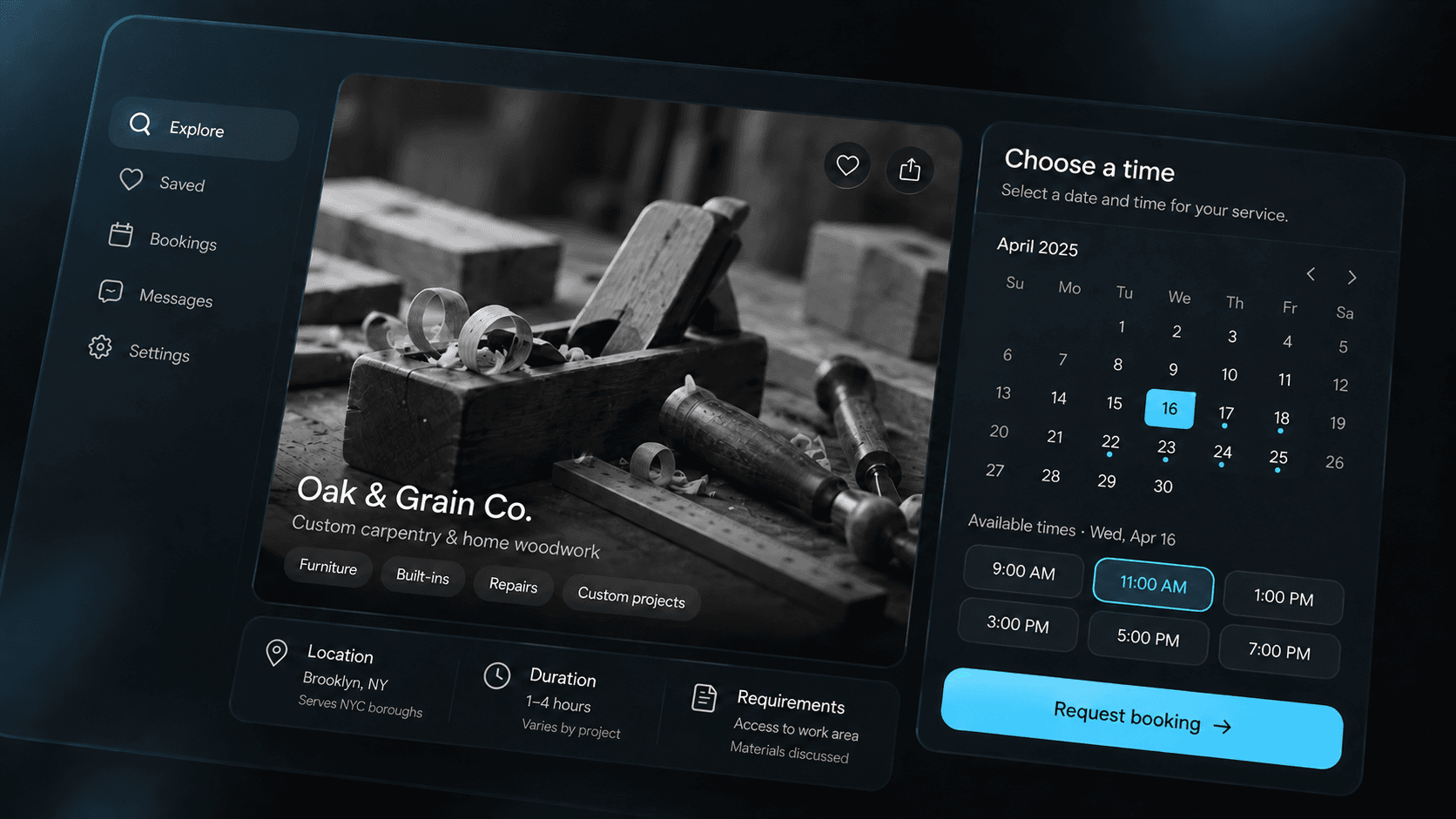
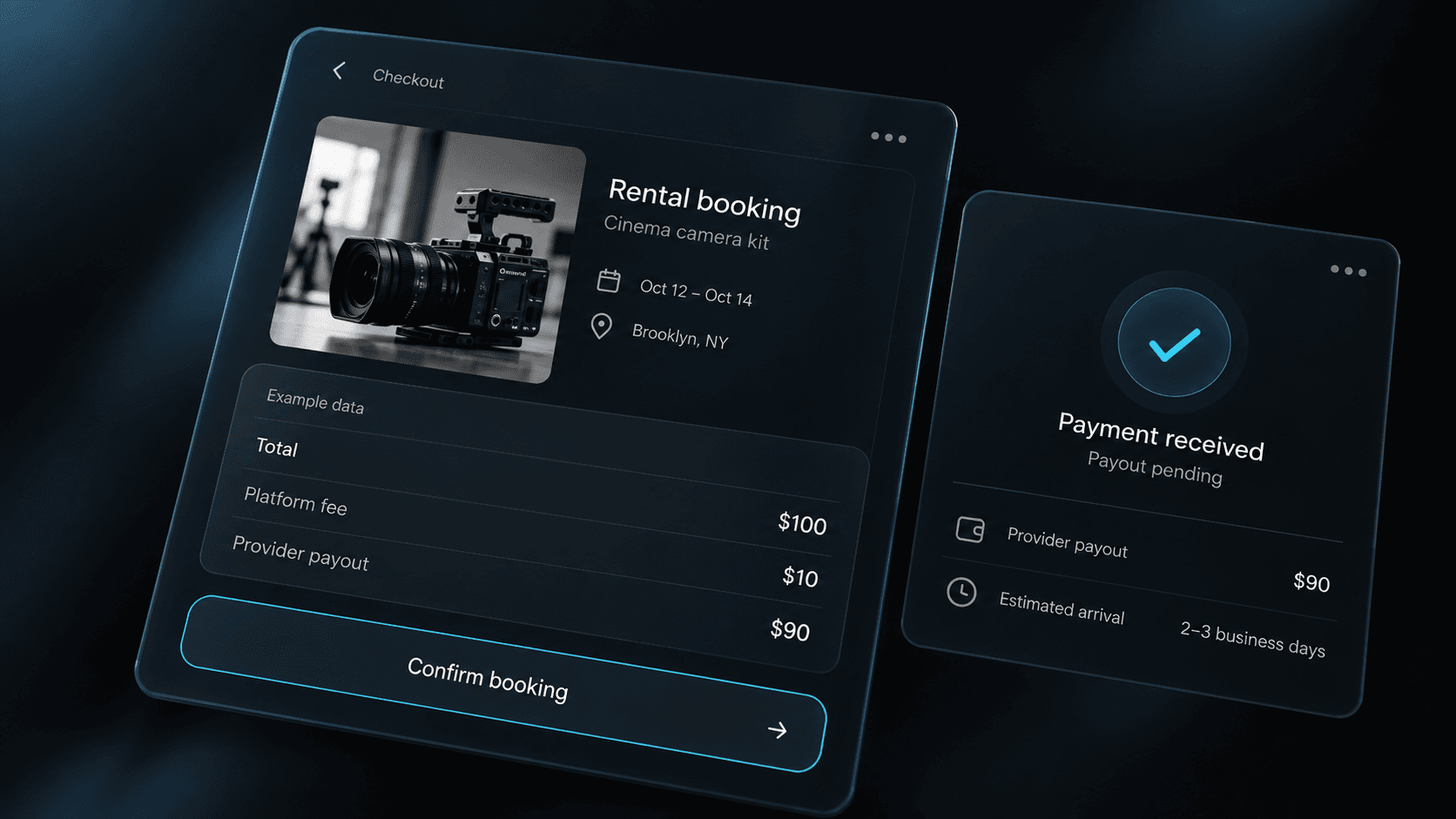
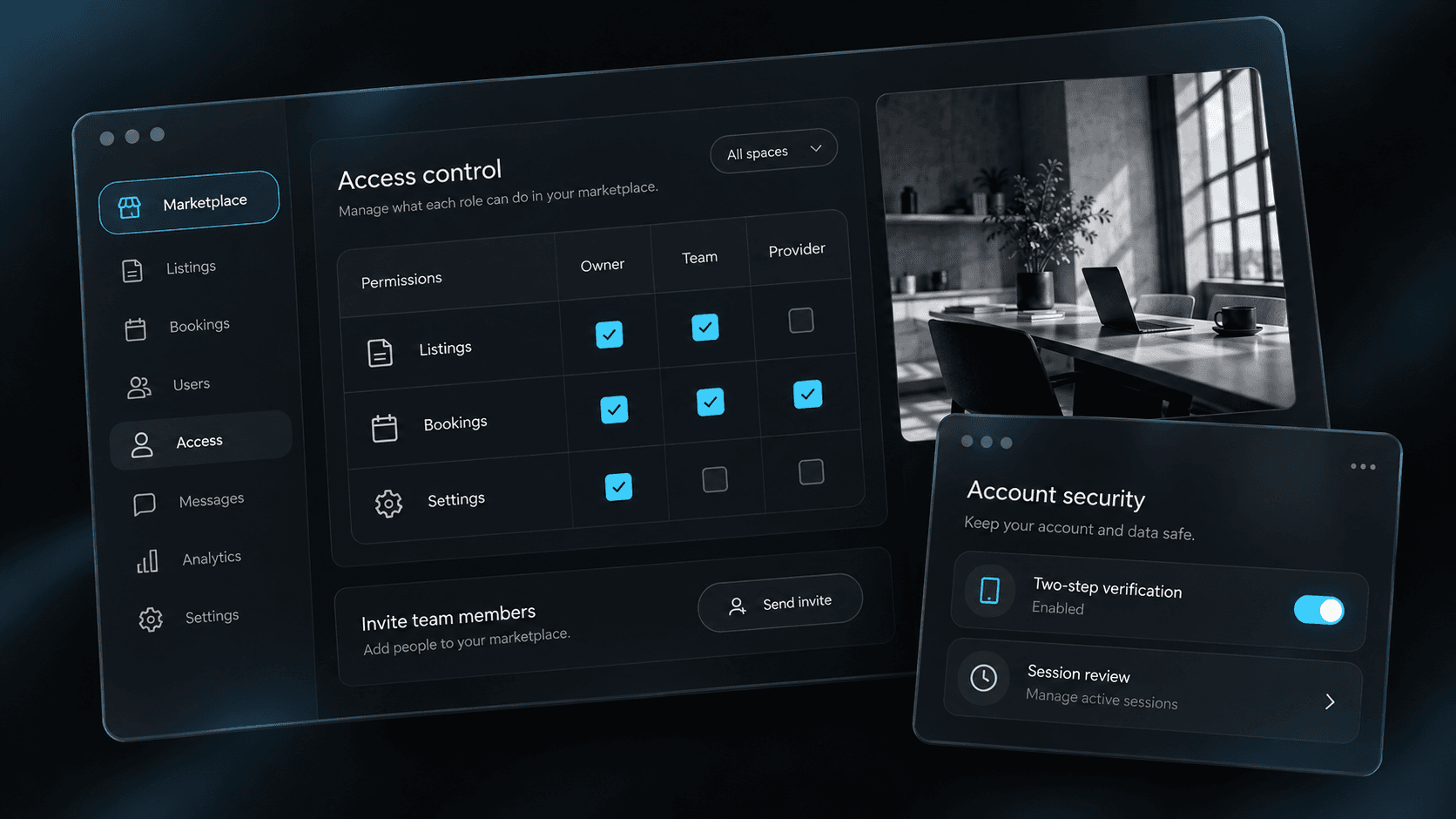
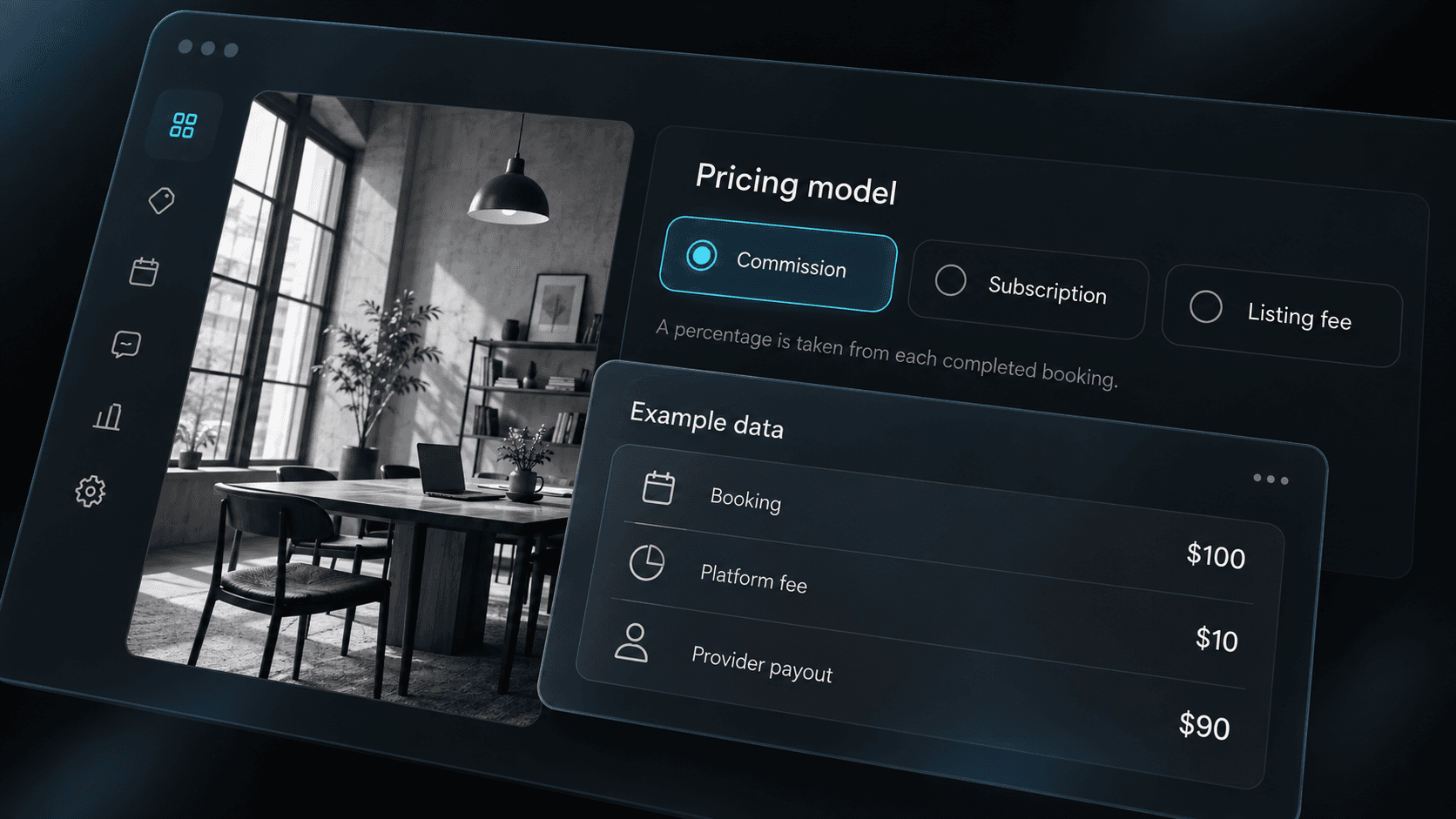
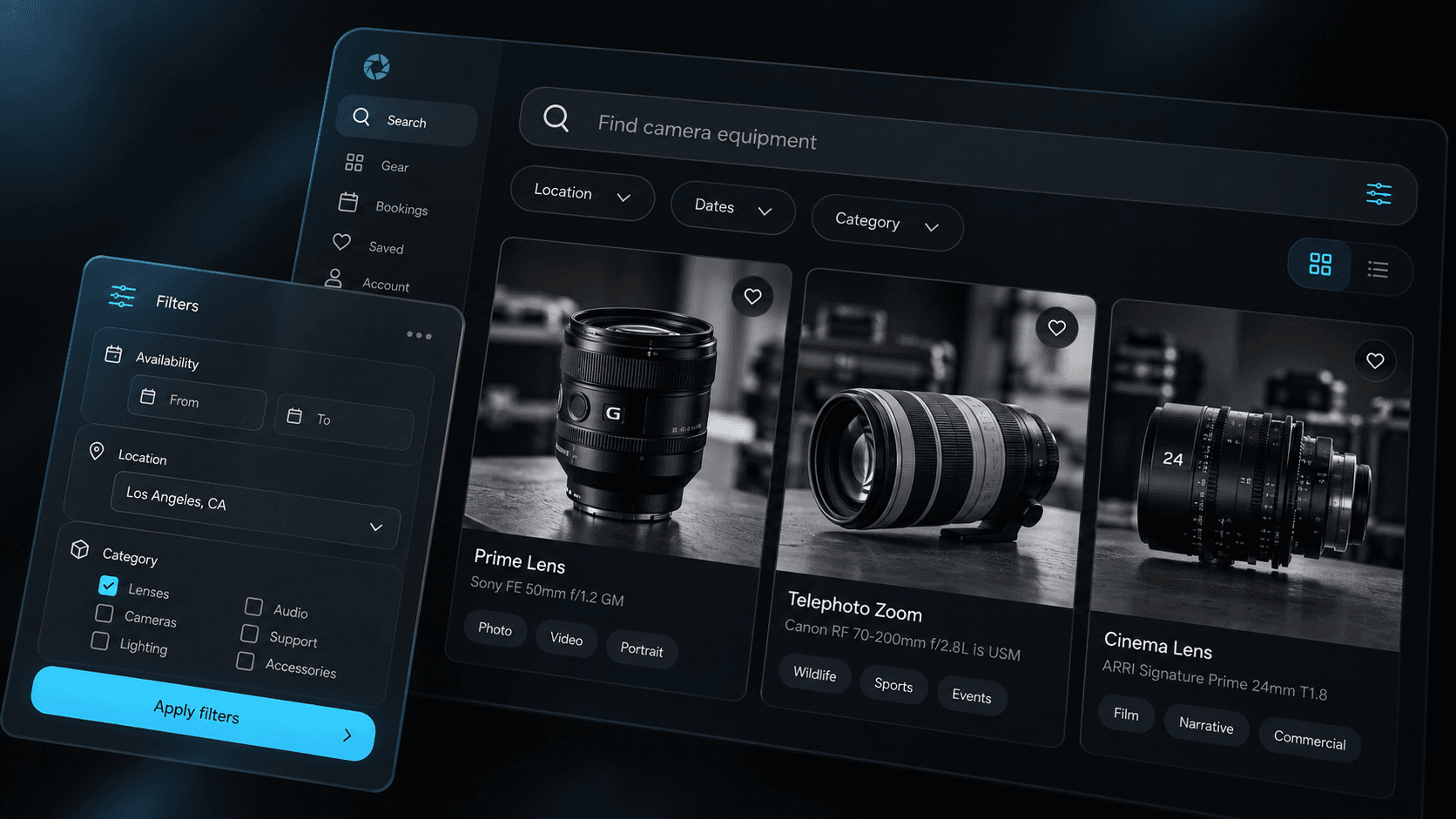
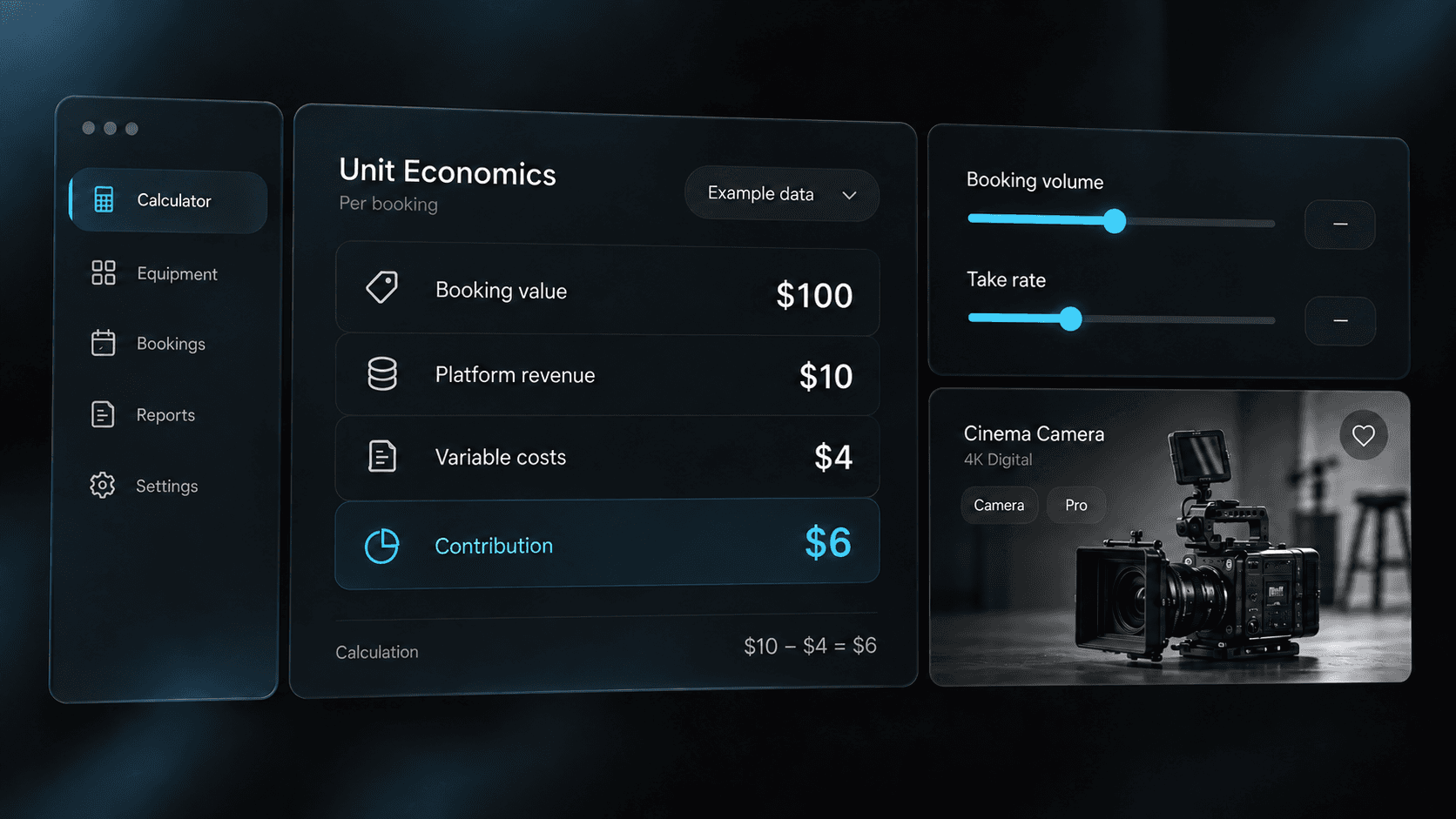
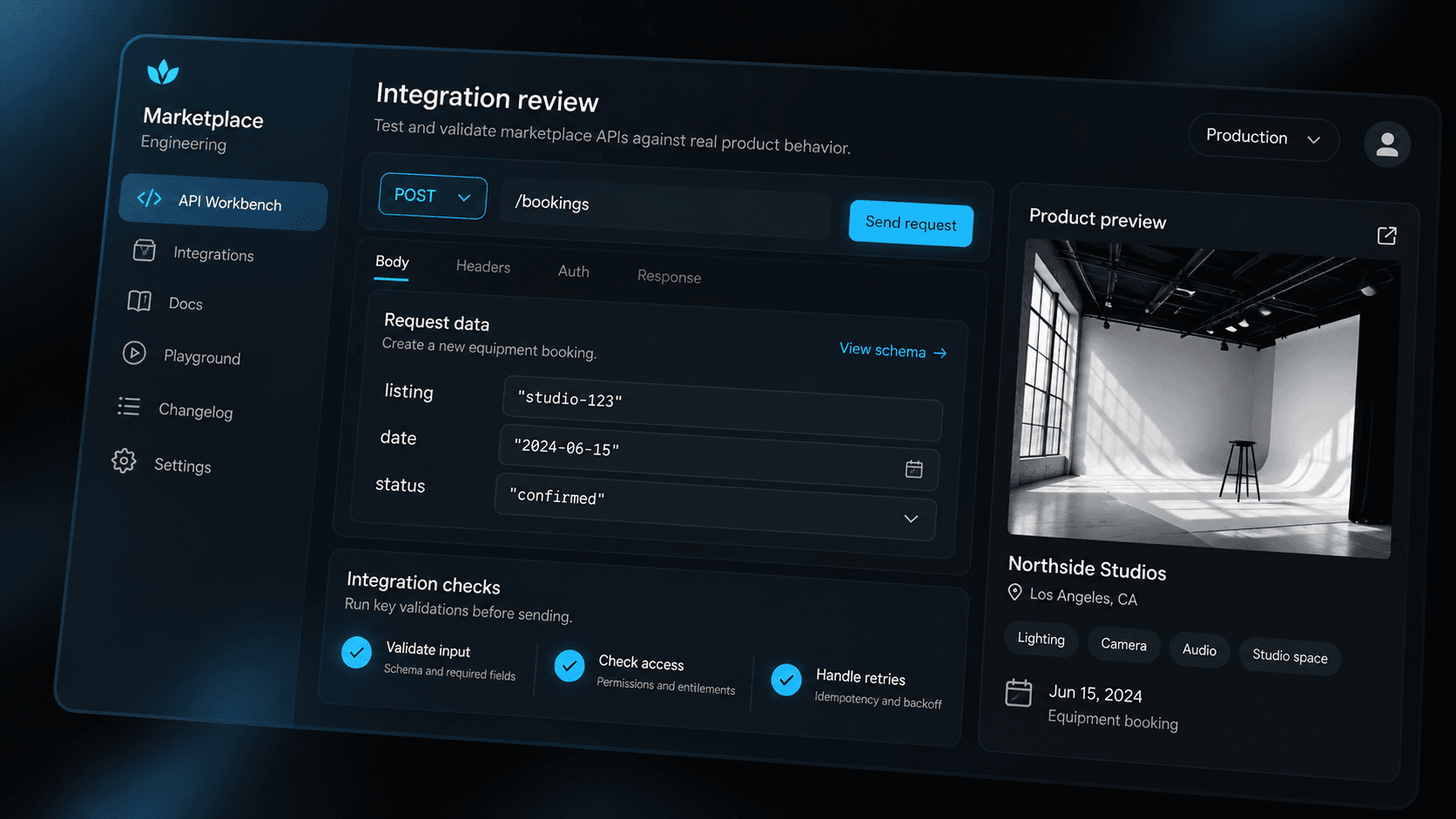
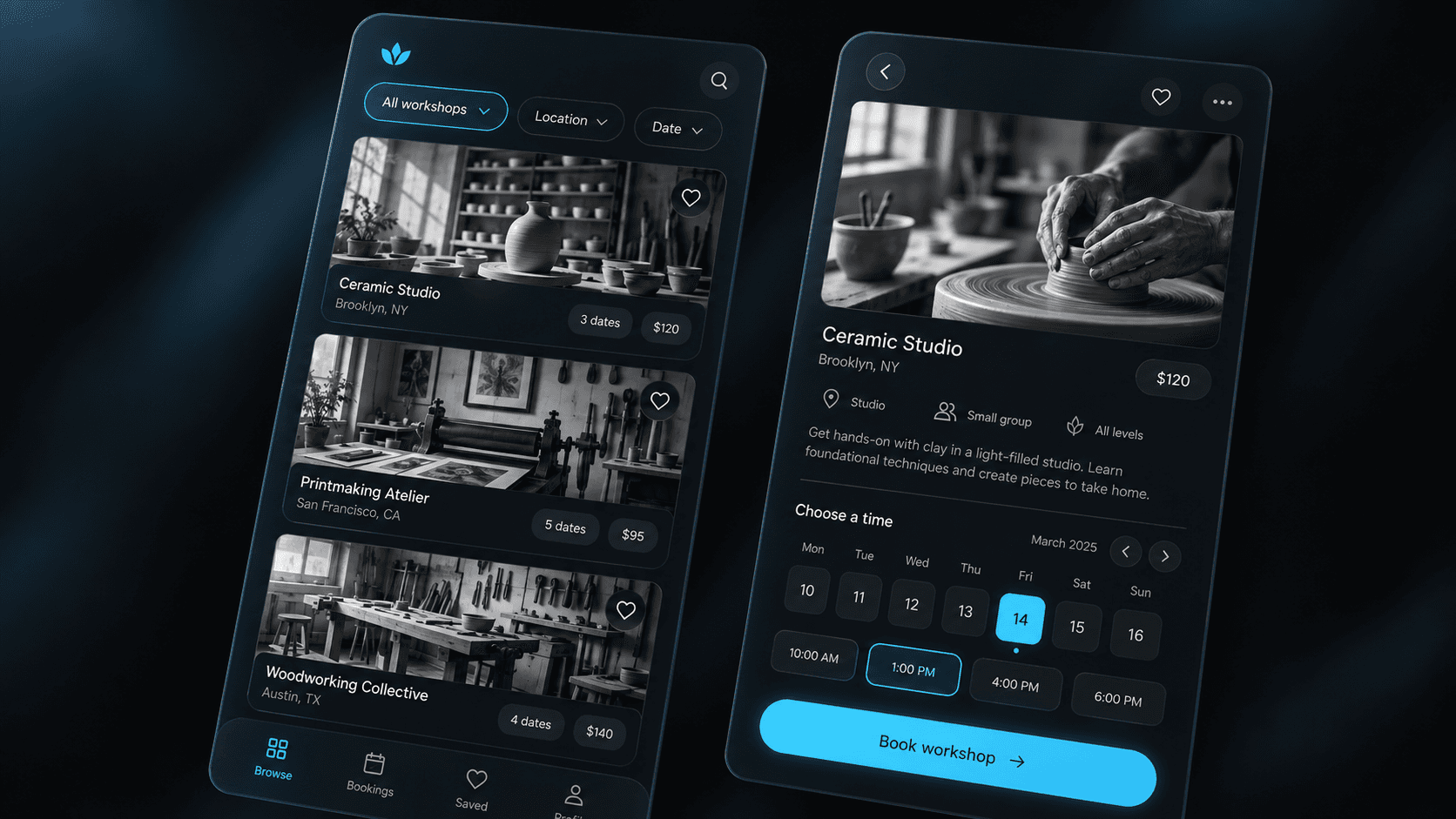
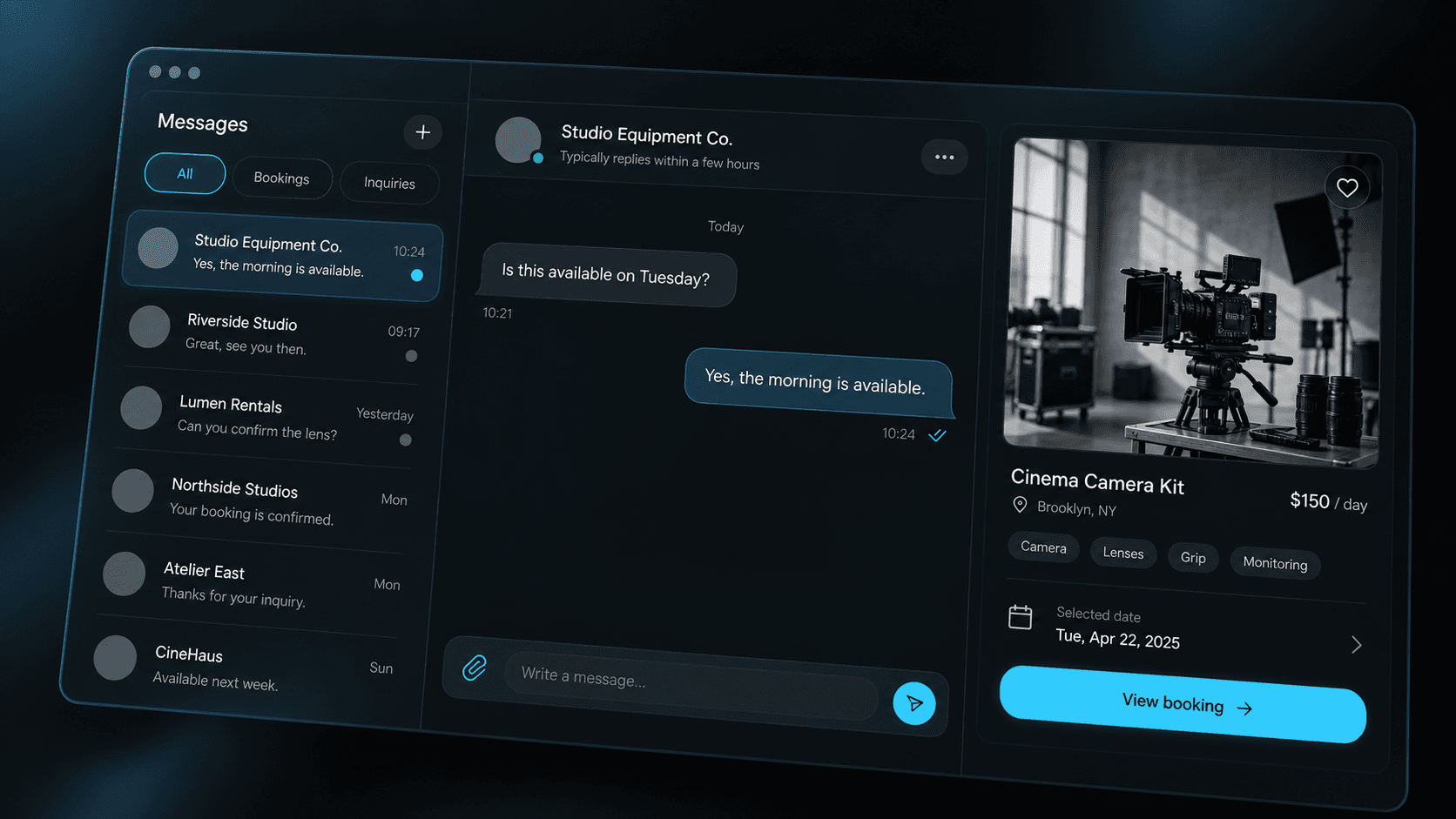

These examples cover common marketplace feature patterns that can be adapted into a scoped custom build
Our Process
How We Build: Future-Proof WordPress Development
We use child themes, functions.php, hooks, filters, and custom templates so normal theme updates have a safer path. Everything stays organized, documented, and maintainable.
Discovery & Planning
We understand your requirements, audit your theme for available hooks and filters, and plan the safest implementation approach.
Requirements mapping - Translate your business needs into technical solutions
Theme hook audit - Identify available actions, filters, and template hooks
Implementation strategy - Plan whether to use child theme, functions.php, or custom plugin
Design mockups - Create visual designs for approval before any coding starts
Development
We build your feature using WordPress best practices: child themes, hooks, custom templates, and clean JS/CSS—keeping everything update-safe.
Child theme setup - All template overrides go in your child theme, never the parent
Hooks & filters - We use actions and filters to extend functionality without modifying core files
Custom templates - New page templates and components that survive theme updates
Clean JS/CSS - Properly enqueued scripts and stylesheets, no inline hacks
Testing & Refinement
Thorough testing on staging, cross-browser QA, mobile responsiveness checks, and any refinements based on your feedback.
Staging deployment - Test everything in a safe environment first
Cross-browser testing - Verify functionality across Chrome, Firefox, Safari, and Edge
Mobile responsiveness - Check layouts across the device sizes your users rely on
Client review - Your feedback session to request any final adjustments
Launch & Handoff
Deploy to production, provide complete documentation, and ensure you understand exactly what was built and where.
Production deployment - Plan the launch path to reduce downtime risk
File documentation - Clear notes on what files were added/modified and why
Update guide - Instructions for maintaining customizations through theme updates
30-day defect period - Reproducible defects against the accepted scope are covered after closeout
Child Theme First
Template overrides and functions go in your child theme. Parent theme stays untouched, updates are safe.
Hooks & Filters
We extend functionality through WordPress actions and filters—the right way to customize without touching core files.
Clear Documentation
You will know exactly what files were added, what was changed, and how to maintain it through future updates.
How We Work
Transparent, Custom Pricing
Every custom feature is unique. We provide fixed-price quotes based on your specific requirements, clear milestones, and explicit assumptions.
How We Price Custom Features
A simple search filter is different from a full AI-powered matching engine. A payment gateway setup is different from marketplace payout automation. We scope every project individually to give you an accurate fixed price.
- Discovery call to understand your requirements
- Technical audit of your current theme setup
- Detailed scope with fixed-price quote
- Clear timeline with milestone payments
- No hourly billing or surprise charges
Get Your Custom Quote
Tell us about your platform and the custom feature you need. We will scope the project and provide a fixed-price next step within two business days. A fixed-price proposal follows when the scope is ready.
Quick Turnaround
Brief reviewed within two business days
No Obligation
Project discovery and scoping
Indicative Price Ranges
For budgeting purposes only—actual quotes depend on your specific requirements
$800 - $2,000
Standard Features
3-7 days delivery
Search filters, API integrations, UI customizations
$2,000 - $5,000
Advanced Features
1-3 weeks delivery
Booking engines, payment flows, dashboard features
$5,000 - $12,000
Enterprise Features
3-6 weeks delivery
AI matching, multi-vendor systems, CRM integrations
It is Not a Limitation—It is Reality
Why Themes Cannot (And Should not) Do Everything
Listeo, Voxel, and HivePress are excellent themes. But expecting them to handle every marketplace unique needs is like expecting a house foundation to also be custom furniture.
Must Serve 10,000+ Customers
Themes need to work for equipment rental, services, real estate, and everything in between. This forces generic solutions.
Cannot Predict Your Industry
Your industry-specific pricing rules, verification requirements, and booking logic? Themes cannot know these.
Updates Would Break Custom Code
If themes added everyone custom requests, updates would break everything. This is why plugin-based extensions win.
Performance Suffers With Bloat
Loading broad, unused feature sets slows everyone down. Custom features load only when the workflow needs them.
This Is not a Bug—It is By Design
Themes provide structure; custom features provide differentiation. This separation is why growing marketplaces often invest in custom development when generic workflows start limiting the model. The question is when the added logic is worth the maintenance cost.
ROI Framework
How We Judge Feature Value
Three questions we use before recommending a custom feature: does it improve conversion, reduce manual work, or unlock measurable revenue logic?
Conversion Impact
We look for places where booking, search, or matching friction is blocking qualified users from taking the next step.
What we check:
Operational Leverage
We prioritize workflow automation when manual operations are slowing provider onboarding, approvals, or support.
What we check:
Revenue Logic
We connect each feature to a business lever before we recommend building it.
What we check:
A Booking Engine Should Earn Its Place in the Roadmap
We scope the smallest version that removes the bottleneck, proves the workflow, and protects future development.
If the business case is not clear, we recommend a lighter operational fix before custom development.
FAQ
Strategic Questions Answered
The questions smart founders ask before investing in custom development.
Your Theme Got You Started. Let us Build What Makes You Win.
You chose WordPress for speed—smart move. When the theme starts limiting the business, we help scope the next custom layer: booking logic, matching rules, payment workflows, integrations, and automation that fit your actual marketplace model.